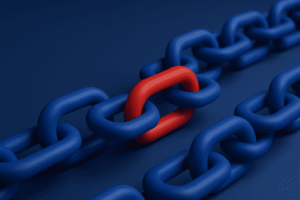
Backlinks aren’t a magic fix — but they still play a key role in SEO.
But here’s the thing — most of them are absolutely useless.
Harsh? Maybe. But if you’ve ever paid for “100 backlinks in 2 days” or stuffed your footer with keyword-heavy anchor text, you probably already know it. Google’s smarter now. It doesn’t care that you have backlinks. It cares about how and why you got them.
That’s where the real difference lies — between links that push your rankings up and links that just sit there (or worse, drag you down). The truth is: until you build them right, backlinks waste your time, money, and trust.
Not All Links Are Created Equal
Why Random Link Drops Hurt More Than Help
Remember when link building was all about volume? The more, the better? Yeah — that era’s long gone.
Today, Google’s algorithms are trained to detect patterns that look artificial. Five hundred low-quality backlinks might get ignored entirely — or worse, trigger a penalty. Your rankings stay flat. Traffic doesn’t grow. Meanwhile, your backlink profile becomes cluttered with irrelevant, spammy domains.
That’s not just ineffective — it’s dangerous.
Google Doesn’t Care About Quantity Anymore
It’s 2025. One single, natural backlink from a trusted site in your niche can outperform a hundred throwaways.
Because it sends the right message: “This content is actually worth referencing.”
Google doesn’t reward link dumps. It rewards signals of value.
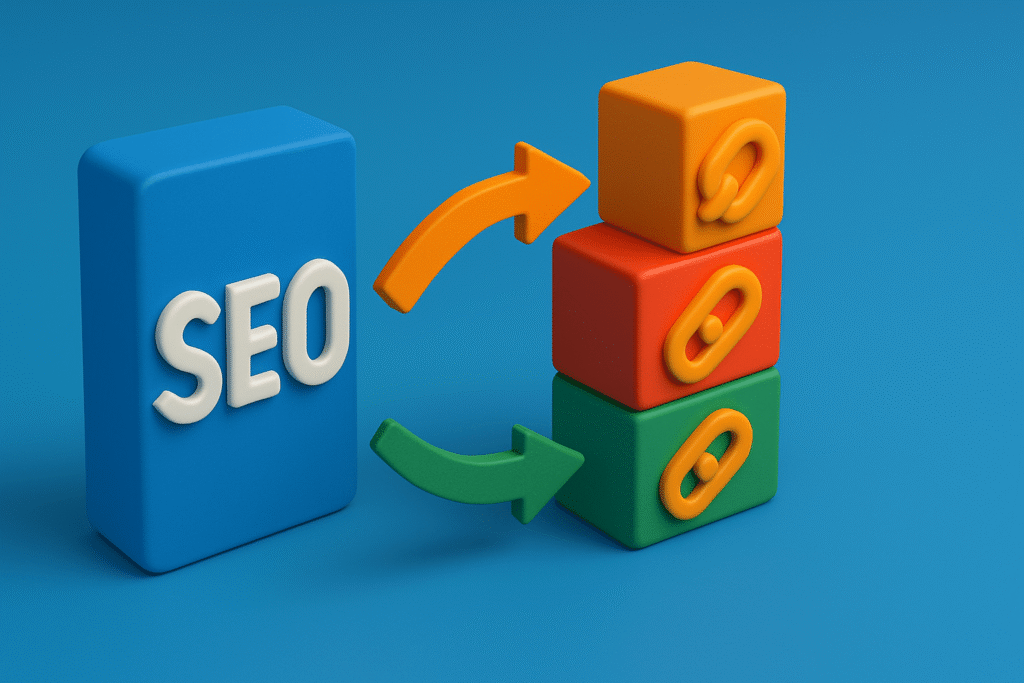
What Makes a Backlink Actually Useful
Relevance Is Non-Negotiable
Say you offer a SaaS tool for copywriters. Will a backlink from a fishing blog help? Not at all. In fact, it could confuse Google about what your site’s even about.
Relevance is everything. You want links from sites in your industry or closely related spaces. It’s like reputation in a neighborhood — you want to be recommended by people who speak your language.
Authority Still Matters — But Context Matters More
Sure, a backlink from a DA90 news site can be powerful. But not if it’s buried on a forgotten subpage next to dozens of outbound links.
Authority is just one piece. Placement, context, and user engagement matter too.
Placement, Context, and Natural Flow
Google analyzes where a link appears. In-content backlinks — surrounded by relevant text — carry more weight than links in footers or sidebars.
Your anchor text should read naturally. Avoid keyword stuffing. Write like a human, not like a bot.
What Bad Link Building Really Looks Like
The Lure of Cheap Packages and Link Farms
You’ve seen the offers: “500 backlinks for $99.” Sounds good on the surface.
But those links come from PBNs, expired domains, or ghost blogs created just to sell links. Google knows this game. It ignores most — and penalizes the rest.
Cheap backlinks usually cost you more in the long run.
Anchor Text Spam and Over-Optimization
If every backlink says “best SEO agency,” that’s a red flag. Natural link profiles include branded terms, raw URLs, and neutral phrases. Smart SEO mixes it up — and Google respects that.
How to Build Links the Right Way
Earn Links Instead of Buying Them
The best backlinks aren’t placed — they’re earned. You need to create something worth linking to. Publish research, offer value, solve real problems.
Good content draws attention — and links.
Outreach That Doesn’t Feel Like Spam
Link outreach doesn’t have to be awkward. Personalized messages, relevant to the recipient’s audience, work far better than mass emails.
The goal is a relationship, not a cold transaction.
Working with Pros Like Syncara
Let’s be honest — real link building is slow and strategic. That’s why companies turn to SEO agencies like Syncara.
Syncara specializes in building honest, effective backlinks that align with your niche, brand, and audience. No shortcuts. Just sustainable results.
Backlinks That Actually Move the Needle
It’s About Relationships, Not Just URLs
At the heart of successful link building is trust. Editors don’t link to strangers. They link to experts, helpful tools, and content that improves their own pages.
That’s why long-term relationships with publishers matter — and why a good SEO agency helps build them for you.
Look Beyond Domain Authority
Metrics like DA or DR are useful — but they’re not everything.
A DA90 link buried on a junk page can be worthless. Meanwhile, a DA40 link from a niche blog with a loyal audience can drive traffic and boost rankings.
Focus on purpose. Not just numbers.
Backlinks Still Work — But Lazy SEO Doesn’t
Backlinks aren’t dead. But shortcut SEO is.
To win with backlinks in 2025, you need more than volume. You need relevance, trust, and strategy. You need content people want to link to — and relationships with people who will link to it.
And if you want to do it right, Syncara is here to help. Because most backlinks are useless…
…until you build them right.